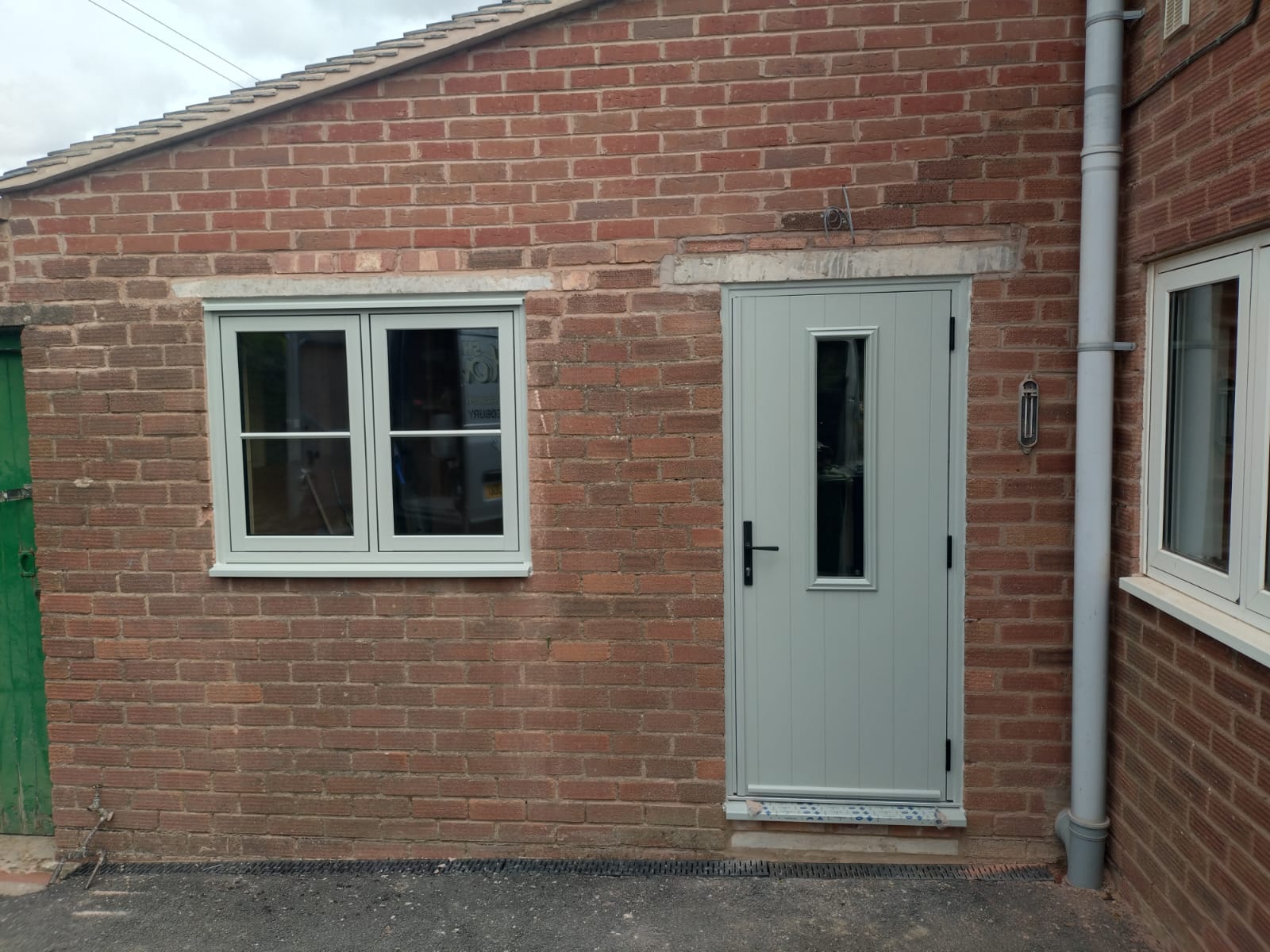
Can You Fit UPVC Windows Yourself?
Upvc windows have become a popular choice for homeowners looking to improve energy efficiency, reduce maintenance, and refresh the look of a property. The idea of fitting them yourself can be tempting for those who enjoy DIY projects or want to save on installation costs. However, before you pick up a saw and start measuring, it’s important to understand the realities of fitting UPVC windows yourself. This post walks you through the considerations, what you can DIY safely, and where professional installation is the wiser route.
Why people consider DIY UPVC window fitting
Upvc windows offer several practical benefits, but installation is a critical step that affects performance. Many homeowners are drawn to DIY for reasons such as:
- Cost savings on labour
- Satisfaction of completing a home improvement project
- The belief that standard sizes and ready-made kits simplify the process
- A desire to learn new trades or skills
While there is some truth to these motivations, it’s essential to balance enthusiasm with practical constraints and safety requirements.
What makes UPVC window installation different
UPVC windows differ from traditional timber or aluminum installations in several key ways:
- Seals and drainage: Proper sealing and weep holes are crucial to prevent water ingress and condensation.
- Insulation: The thermal performance hinges on meticulous alignment and foaming around the frame.
- Structural considerations: The window must sit correctly within the wall reveal to avoid distortions that could impair operation.
- Regulations and warranties: Some installations require compliance with building regulations and can affect warranty coverage.
Understanding these factors helps set realistic expectations for how the process should unfold.
DIY feasibility: when you can and cannot
There are some aspects of window work that are within the realm of capable DIYers, and others that should be left to professionals. Here’s a practical breakdown:
- Measurement and ordering: Taking accurate measurements is fundamental. Mistakes here can lead to ill-fitting windows that compromise security and efficiency. If you’re confident with your maths and tools, you can order a replacement or cut-to-size UPVC window kits that come with detailed instructions.
- Removal of old frames: Safely removing old windows can be hazardous. You’ll encounter potential hazards like glass breakage, timber rot, and dust. Protective gear and careful handling are essential.
- Fitting a ready-made, standard-size UPVC window: For some standard units, with a straightforward installation, a skilled DIYer might manage, provided you strictly follow manufacturer instructions and maintain safety protocols.
- Complex or non-standard openings: If the wall is non-standard, the building has unusual lintels, or the opening isn’t plumb, DIY becomes much riskier. In these situations, professional installation is strongly advised.
If in doubt, consult product guides and, ideally, a professional to assess feasibility.
Tools and materials you’ll likely need
If you decide to proceed with a DIY approach for a straightforward UPVC window replacement, you’ll typically require:
- A level and laser level for precise alignment
- Tape measure and pencil for marking
- Utility knife, putty knife, and a small pry bar
- Power drill and screws appropriate to your wall type
- Sealant gun and compatible sealants (typically a high-quality exterior sealant)
- Replacement screws, shims, and foam sealant for insulation
- Safety gear: gloves, eye protection, and dust mask
Having the right tools is essential; rushing a job with improvised equipment often leads to mistakes.
Step-by-step overview of a typical DIY replacement (simplified)
Note: This is a high-level outline. Always follow the manufacturer’s installation guide and local building regulations. If you are unsure at any stage, stop and seek professional help.
- Prepare the opening: Remove the old window, clear debris, and check the wall for damage or rot.
- Dry fit the new unit: Place the UPVC window into the opening to check fitment and levelness.
- Fix the frame: Secure the frame temporarily, then check plumb and square.
- Insulate: Use shims to level and square, and inject foam around the frame as recommended by the manufacturer.
- Seal: Apply exterior sealant to prevent water ingress and ensure airtightness.
- Install sashes and hardware: Ensure the locking points operate smoothly and align correctly.
- Final checks: Test opening/closing, drainage paths, and weather sealing.
This overview highlights the core actions involved, but each step requires attention to detail and careful execution.
Common pitfalls to avoid
- Skipping or rushing measurements. Even a small error can result in drafts or poor operation.
- Inadequate sealing or foam inflation. Over-foaming can bow the frame; under-foaming leaves gaps.
- Ignoring building regulations or warranty terms. Some installations must be inspected or certified.
- Using incorrect tools or inappropriate sealants. Compatibility matters, especially with UPVC and glazing beads.
Being methodical and patient is key to a decent result.
When to hire a professional
There are several scenarios where professional installation is the prudent choice:
- Non-standard openings, unusual lintels, or structural concerns
- Multi-window replacements across a home or a high-risk building due to height
- Limited DIY experience or a preference for guaranteed performance
- Warranties that require approved installation methods
A pro can also help with advice on energy efficiency, security upgrades, and long-term maintenance.
Aftercare and maintenance
Once installed, proper maintenance helps UPVC windows last longer and perform better:
- Clean frames with mild detergent and water; avoid harsh chemicals
- Check seals annually for wear or gaps
- Keep drainage channels clear and ensure weep holes are unobstructed
- Lubricate hardware lightly and inspect for leaks
Regular care preserves efficiency and appearance.
Final thoughts
Fitting UPVC windows yourself can be a satisfying project for the right person, but it isn’t a decision to be taken lightly. The balance between potential savings and the risk of improper fit, water intrusion, or compromised security is delicate. If you’re confident with measurements, have access to the right tools, and are dealing with a straightforward, standard-sized window, a careful DIY replacement is possible. However, for most homeowners, especially those with non-standard openings or warranty concerns, hiring a qualified installer remains the safer, more reliable option. By weighing the pros and cons, consulting the manufacturer’s guidelines, and considering building regulations, you’ll arrive at a choice that ensures your UPVC windows perform optimally for years to come.