How Much Does Standard Door Installation Cost?
If you’re updating a home or replacing a damaged doorway, you’ll likely ask: how much does standard door installation cost? The answer varies, but with a practical approach you can estimate a fair price and understand the main factors that influence it. This guide breaks down typical costs, the role of door fitters, and how to plan your project to get good value without compromising quality.
Introduction: understanding the basics of door installation costs
Door installation isn’t just about buying a door and popping it in. It involves factors such as the type of door, frame work, hardware, preparation of the opening, and sometimes carpentry or finishing work. In the UK, most homeowners work with door fitters to ensure measurements are precise, hinges are aligned, and the door operates smoothly. By understanding the common price ranges and what affects them, you can set realistic expectations and avoid surprise charges.
Key terms to know:
- Door fitters: professionals who measure, fit, adjust, and hang doors, often including related carpentry work.
- Internal vs external doors: internal doors are usually cheaper, while external doors may require weatherproofing and security features.
- Replacement vs new installation: replacement assumes an existing frame; new installation may require frame or jamb work.
Cost breakdown: what you’re typically paying for
Prices for standard door installation can vary by region, door type, and the complexity of the job. Here’s a broad breakdown to help you plan.
1) Door itself
- Internal standard doors: Typically range from £30 to £150 for ready-made or pre-hung options in a range of materials (mdf, solid core, or lightweight wood).
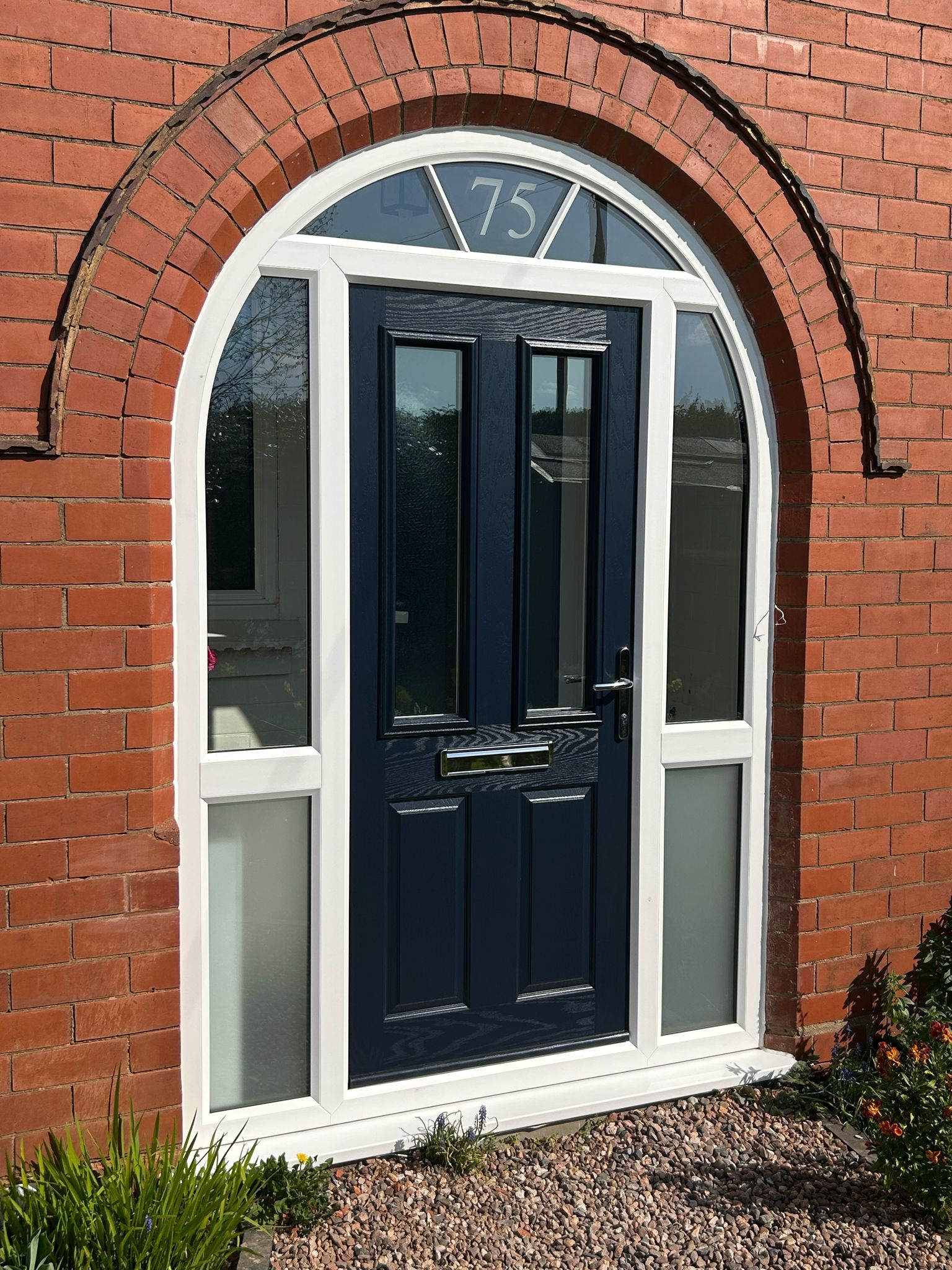
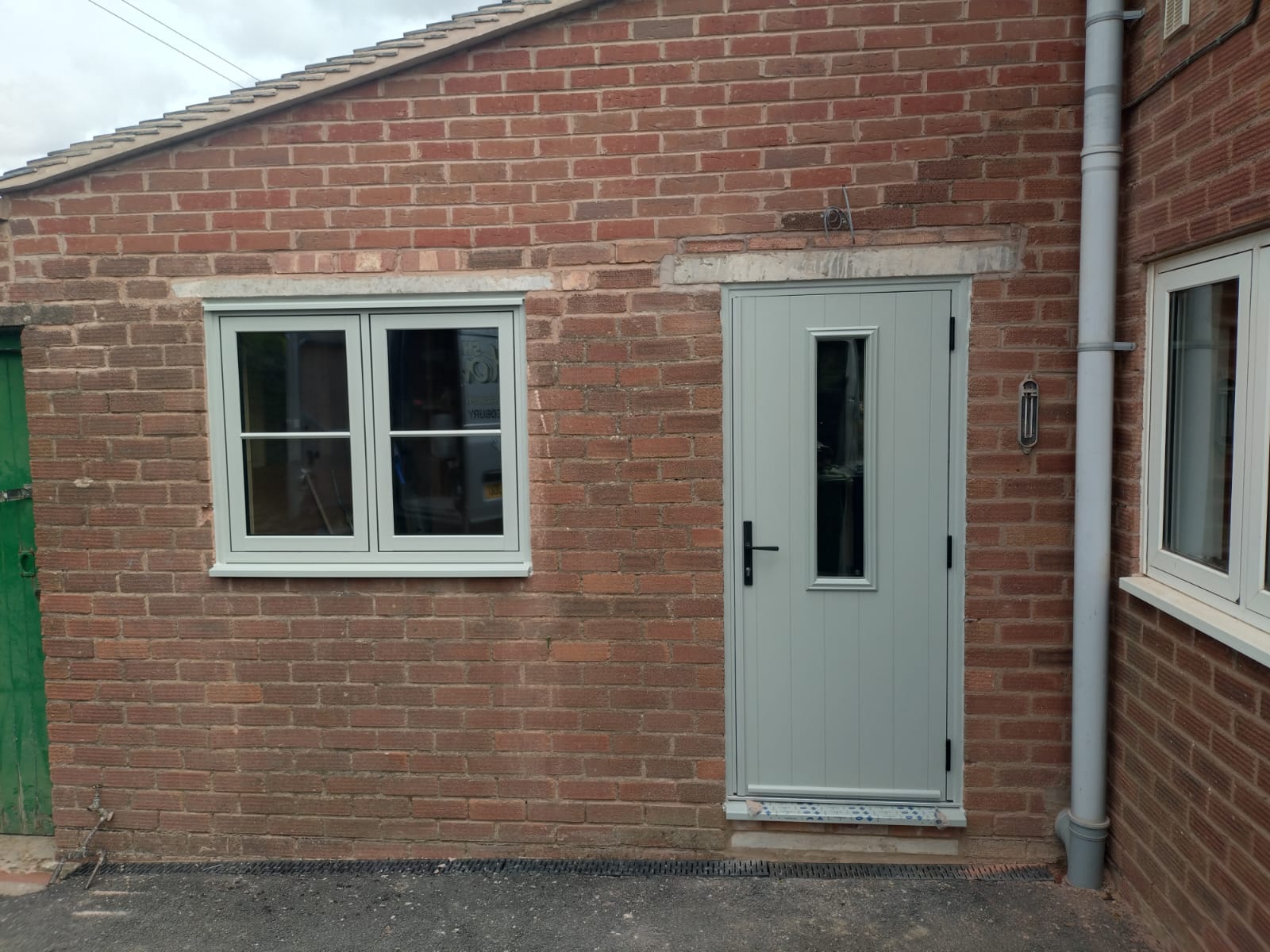
- Exterior doors: These are more expensive due to security, insulation, and weatherproofing. Expect £150 to £600 for the door alone, with higher-end composite or solid hardwood models costing more.
2) Labour and fitting
- Door fitters’ labour: Most households see a labour charge of £80 to £200 per door, depending on locality, the complexity of the hinge placement, and whether adjustments are needed for an existing frame.
- Additional carpentry: If the door doesn’t fit the current opening perfectly, you may need planing, trimming, or frame rebuilding, which can add £60 to £200 or more per door.
3) Hardware and accessories
- Hinges, handles, and locks: £20 to £70 for the hardware material, with higher-end security locks increasing the price.
- Weatherproofing for external doors: £20 to £120 for seals, thresholds, and draught-proofing kits.
4) Preparation and finishing
- Removing old door and disposal: Some door fitters include disposal in their quote; others charge £10–£40 as a disposal fee.
- Finishing touches: Sanding, staining, painting, and sealing may add £50–£150 depending on the finish required.
5) Ancillary work
- Cleaning and alignment checks: Many professionals include a final alignment check, but some may charge extra if a second visit is needed.
- Security and compliance: For external doors, installation may need to meet building regulations or insurance requirements, potentially affecting cost if additional hardware or documentation is needed.
Factors that influence the price
Several variables can push the price up or down. Being aware of these helps you negotiate effectively and budget accurately.
- Door type and material: Solid wood and composite doors tend to cost more than hollow-core or simple MDF doors.
- Frame condition: If the existing frame is warped or damaged, more preparation is required, increasing both time and cost.
- Size and configuration: Non-standard sizes, sidelights, or unusual shapes can significantly raise labour time and hardware costs.
- Location: Urban areas or regions with higher living costs may have higher labour rates.
- Access and installation conditions: Tight spaces or multi-storey access without lifts can require extra labour and equipment.
- Finishing requirements: Painted or stained finishes by professionals add to the total price.
How to get an accurate quote
To avoid surprises, gather multiple quotes from reputable door fitters and provide clear details.
- Measure carefully: Include rough opening width, height, and depth, and note any irregularities in the frame.
- Specify door type and finish: Internal vs external, material, style, finish, and any security features.
- Discuss preparation: Clarify whether the existing frame will be reused or if new jambs are needed.
- Ask about disposal: Confirm whether the old door removal and disposal are included.
- Request a breakdown: Ask for a line-by-line quote so you can see exactly what you’re paying for.
- Check qualifications: Look for tradespeople with relevant certifications, insurance, and previous customer reviews.
Red flags and good practices
- Extremely low quotes: They may indicate hidden costs or substandard materials.
- Poor communication: Delays or vague answers can predict post-installation issues.
- No site visit for measurement: For accurate fitting, a site visit is often essential.
- Pressure to purchase extra services: A reputable door fitter will explain options and costs upfront.
Final thoughts: planning for a smooth door installation project
Understanding how much standard door installation costs helps you set a realistic budget and choose the right professionals. The typical all-in cost includes the door, labour, hardware, and necessary finishing or prep work, with external doors carrying higher price due to security and weatherproofing needs. When you work with qualified door fitters, you you’ll benefit from precise measurements, clean workmanship, and a snug fit that improves energy efficiency and security.
If you’re weighing your options, get at least three quotes, ask for a detailed breakdown, and check recent customer feedback. With careful planning, you’ll find a balance between quality and value, ensuring your new or replacement door performs reliably for years to come.