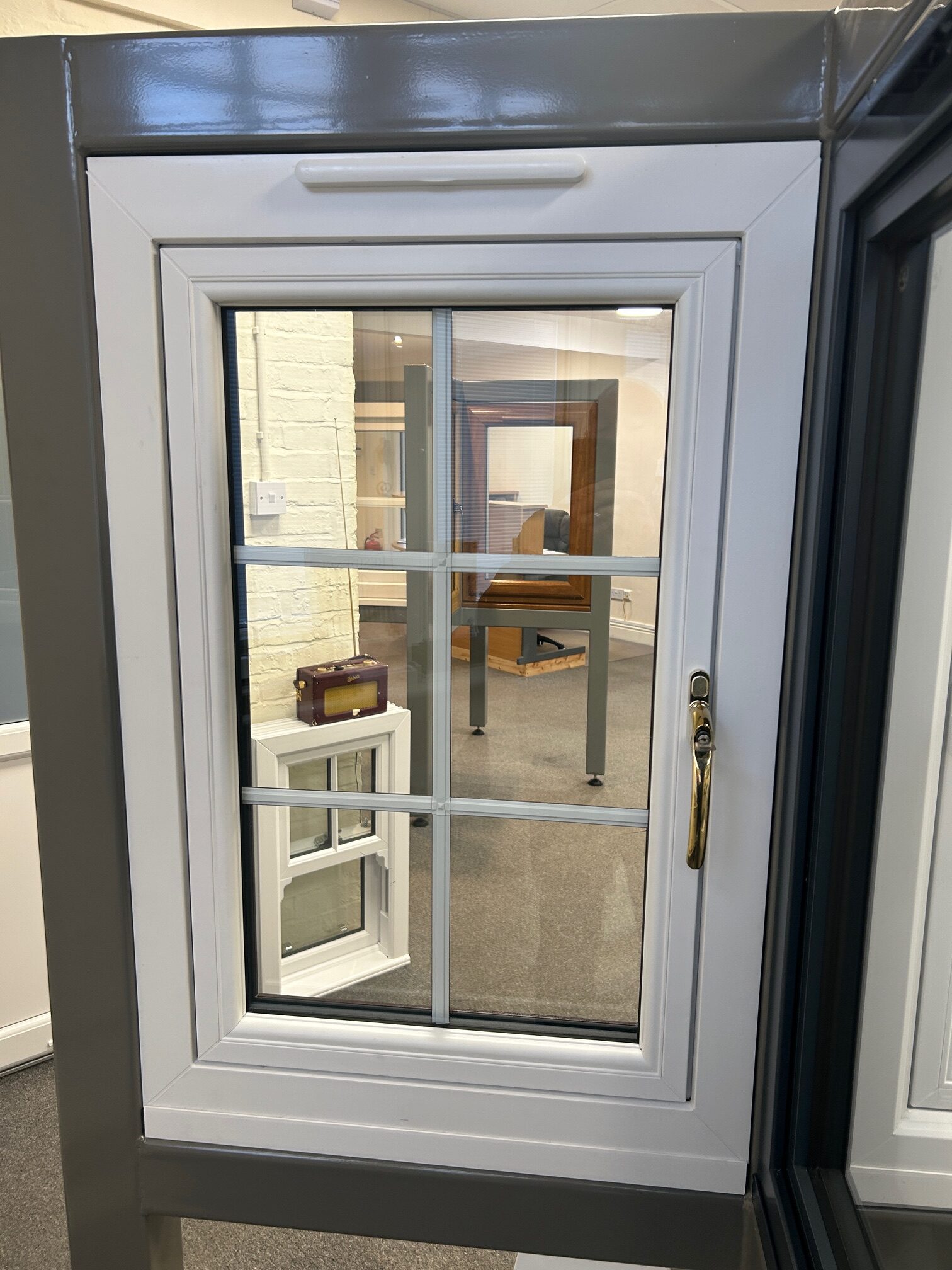
What are the Disadvantages of UPVC Window Frames?
UPVC windows have become a popular choice for many homeowners due to their affordability, low maintenance, and energy-saving potential. However, like any material, they come with drawbacks that are worth considering before making a purchase. This post explores the main disadvantages of UPVC window frames, helping you weigh the pros and cons and make an informed decision.
Introduction
When evaluating window options, UPVC windows often come to mind first. They offer several practical advantages, but they also come with limitations that can impact aesthetics, performance, and long-term value. By understanding these disadvantages, you can determine whether UPVC windows are the right fit for your home and climate.
Aesthetic Limitations
Design and Style Constraints
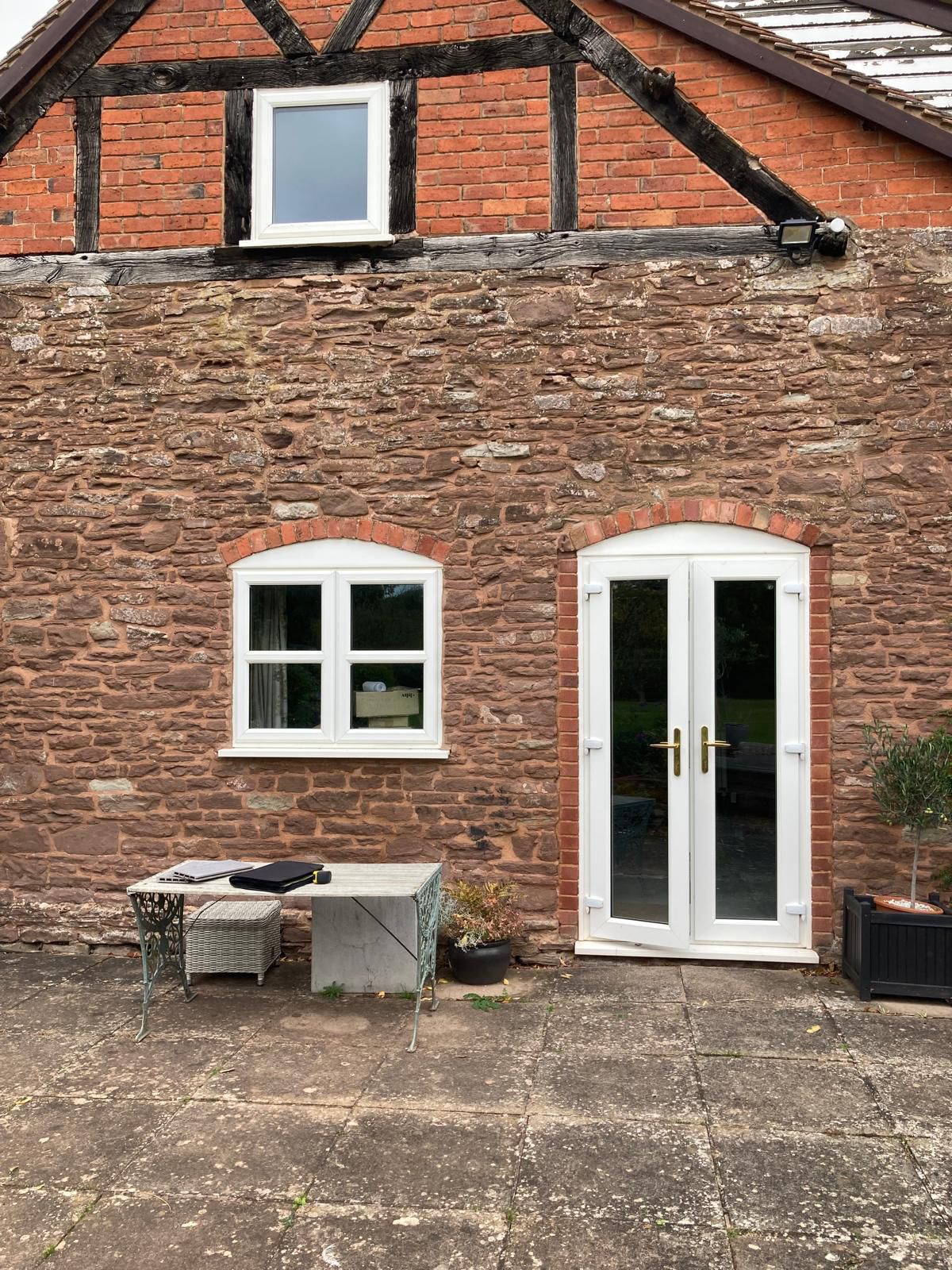
UPVC windows are available in a range of colours and finishes, but they can feel less luxurious compared with timber or aluminium. The glossy plastic surface may not suit every architectural style, especially boutique or period homes that require traditional timber appearance or bespoke details.
Limited Authenticity
Even with wood-grain foils, UPVC often lacks the depth and character of real timber. This can influence curb appeal and potentially affect resale value if you prioritise authentic traditional aesthetics.
Durability and Longevity Concerns
Material Fatigue and Warping
While UPVC is resistant to corrosion and rot, it is not immune to thermal expansion and contraction. Prolonged exposure to direct sunlight and temperature fluctuations can cause warping or bowing in extreme cases, particularly in larger window assemblies.
Impact and Security Trade-offs
UPVC frames can be strong, but they may not offer the same level of rigidity as aluminium in very large openings. In areas prone to heavy impacts, such as close to busy roads or with large, expansive glazing, some homeowners worry about frame strength under stress.
Paint and Surface Wear
UPVC surfaces can scratch or fade over time, especially if exposed to harsh cleaning chemicals or abrasive contact. Repainting is not an option in the traditional sense; you would need to replace the sash or apply a specialised coating, which can be inconvenient and costly.
Insulation and Energy Considerations
Glass vs. Frame Focus
A common point of confusion is that UPVC itself is a good insulator, but the overall energy performance depends heavily on the glass used and the seals. Poor installation or degraded seals can compromise efficiency, leading to heat loss or drafts.
Condensation Risks
In regions with high humidity or rapid temperature changes, condensation between double or triple glazing can occur if seals degrade. This not only reduces visibility but can indicate compromised thermal performance.
Maintenance Realities
Cleaning and Care
UPVC is low maintenance compared with timber, but it is not entirely maintenance-free. Dust, grime, and mineral deposits can accumulate on the frame and hardware, necessitating regular cleaning with non-abrasive cleaners.
Hardware Wear
Multi-point locking systems and hinges on UPVC windows undergo wear over time. Periodic lubrication and occasional replacement of handles or hinges may be required to maintain security and smooth operation.
Environmental and Sustainability Considerations
End-of-Life and Recycling
Although UPVC can be recycled, the recycling process is more complex and less widely available than for some other materials. This can raise concerns for eco-conscious buyers who prioritise cradle-to-grave sustainability.
Temperature Sensitivity
UPVC is a plastic polymer, and while this contributes to its energy efficiency, it also means it can degrade in extreme heat over many years. In very hot climates, prolonged exposure may shorten lifespan or affect performance.
Cost and Value Perception
Initial Cost vs. Longevity
UPVC windows are typically cheaper upfront than timber or high-end aluminium options. However, some homeowners weigh the longer-term value, considering potential replacement costs if a frame yellows, warps, or becomes less secure over time.
Re-sale Impact
Depending on the market, some buyers may prefer timber or aluminium for their perceived premium feel. This can influence resale value in areas where traditional aesthetics are highly valued.
Final Thoughts
UPVC windows offer undeniable benefits such as affordability, energy efficiency, and low maintenance. However, they come with notable disadvantages in aesthetics, long-term durability under certain conditions, maintenance realities, and environmental considerations. If you choose UPVC windows, ensure you select high-quality profiles, professional installation, and proper sealing to maximise performance and longevity. Weigh these downsides against your priorities, climate, and home style to determine if UPVC windows are the right choice for your project.