What is cheaper: an extension or conservatory?
When planning a home improvement project, one of the biggest questions is often about cost. If you’re weighing options for expanding living space, you’ll frequently encounter two popular choices: a home extension and a conservatory. Both can add value, function, and enjoyment to your property, but they come with different price points, regulatory considerations, and long-term implications.
In this article, we’ll explore the cost differences, what affects price, and how to decide which option is cheaper for you, with a focus on conservatories as a key comparison point.
Introduction: understanding the cost concern
Budget is usually the first constraint on any building project. Homeowners want to know not just the upfront price, but also the long-term running costs, potential resale value, and the impact on heating and maintenance.
When you’re considering conservatories, it’s important to distinguish between a traditional conservatory and other forms of glazed extensions, as well as how regional pricing, design choices, and build quality affect overall expenditure.
What affects the cost of an extension
An extension refers to adding floor space to your home by constructing a new room that is integrated with the existing building. Several factors influence the final price:
- Size and scale: The larger the new space, the higher the cost, typically measured per square metre.
- Groundworks and foundations: If the site has poor soil, a sloping garden, or requires underpinning, costs rise quickly.
- Building regulations and permits: Extensions usually require planning permission or permitted development rights, impacting fees and potential delays.
- Structural complexity: Full-height walls, reinforced beams, and connections to existing services (electric, plumbing, heating) add to labour and material costs.
- Roofing and insulation: Proper insulation and a durable roof affect energy efficiency and comfort, with cost variations depending on materials.
- Finishes and fittings: Flooring, plastering, doors, windows, and interior finishes contribute significantly to the budget.
- Heating and ventilation: Extending a home often means extending the heating system or installing underfloor heating, which can be costly.
- External appearance: Matching brickwork, rendering, and exterior detailing influences price and aesthetics.
What makes a conservatory cheaper or more expensive
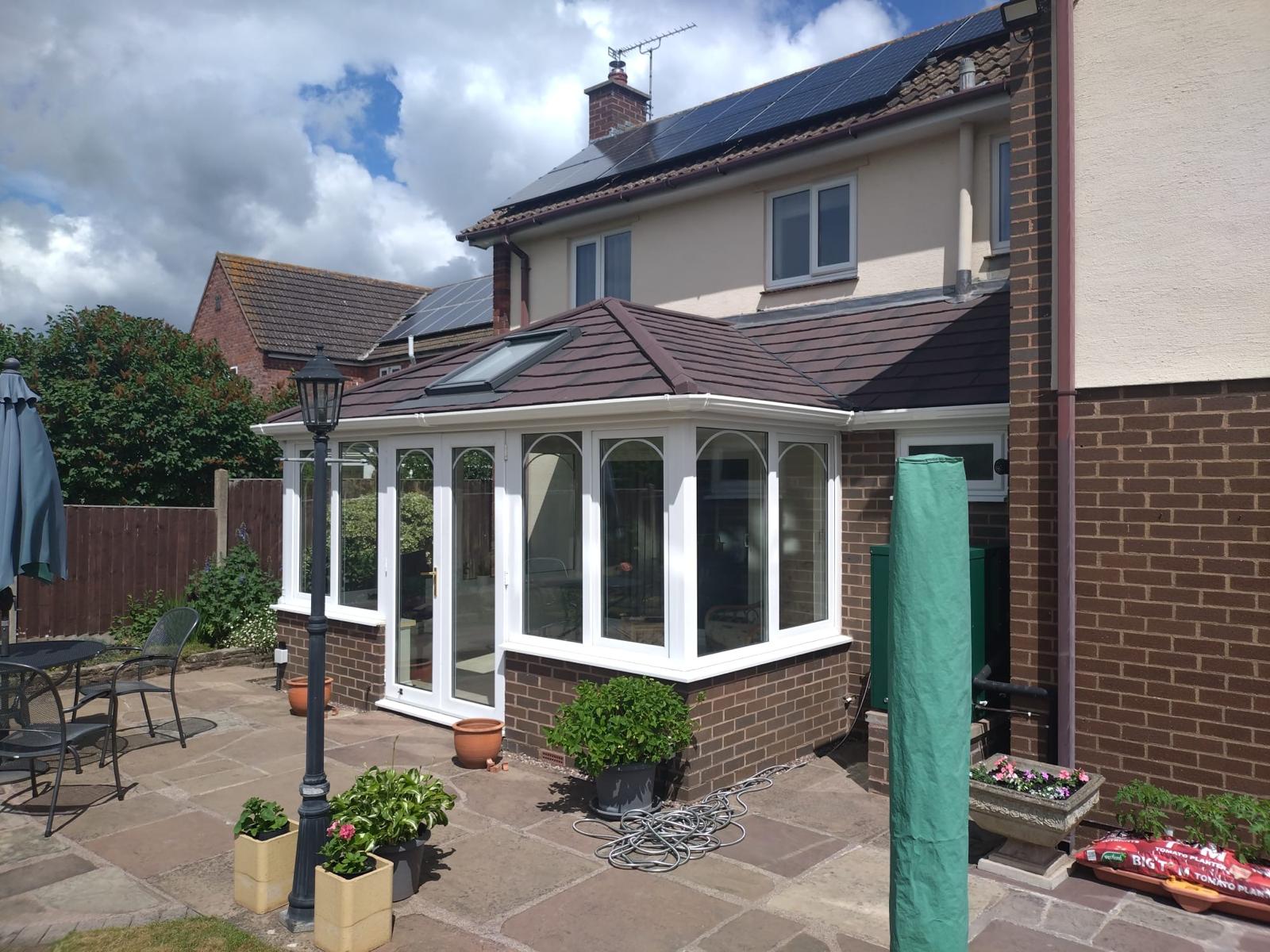
Conservatories are glazed extensions that typically feature large windows and a lightweight structure. They can be a cost-effective way to gain extra space, but prices vary based on design and quality:
- Frame materials: uPVC is usually the cheapest, followed by aluminium and timber, with varying long-term maintenance requirements.
- Glazing options: Double or triple glazing, low-emissivity coatings, and tiled or solid roofs affect price and energy performance.
- Foundation requirements: Conservatories often have different foundation needs than full extensions, sometimes allowing simpler processes but still requiring structural integrity.
- Roof style: Traditional glass roofs tend to be cheaper upfront than solid or tiled roofs, but may require additional heating considerations.
- Heating and climate control: Conservatories can become very hot in summer and cold in winter; investing in insulation, heat sources, or underfloor heating affects ongoing costs.
- Regulations: Depending on location, a conservatory may be exempt from full planning permission but still require building regulations approval and compliance with party wall agreements.
- Finishes: Internal plastering, flooring, and plastered ceilings influence the final price.
Rough cost ranges to set expectations
Costs can vary greatly by region, specification, and builder. As a rough guide for UK projects:
- A basic conservatory with modest glazing and standard uPVC framing might cost £5,000 to £12,000, excluding foundations and roofing adaptations.
- A mid-range conservatory with brick supports, a solid or tiled roof, and higher-quality finishes could fall in the £15,000 to £30,000 range.
- A high-end conservatory with brick or timber framing, a premium roof system, and refined interior finishes could exceed £50,000.
By comparison, simple extensions (such as a single-storey rear addition with standard finishes) often start around £20,000 and can rise well beyond £60,000 for larger or more luxurious projects. These figures vary based on location, materials, and site conditions.
Which option is cheaper for you?
- If you want a quick, lower-cost way to add light and space, a conservatory can be cheaper upfront, especially when the project scope is modest and you already have suitable foundations and planning status.
- If you require a truly integrated, climate-controlled living space that blends seamlessly with your home, an extension, though often more expensive upfront, may offer better long-term value and energy efficiency.
A key consideration is the building envelope. Conservatories tend to be more glass-heavy and light, while extensions provide more thermal mass and insulation, influencing year-round comfort and running costs.
Long-term considerations: value, maintenance, and energy
- Resale value: Extensions, particularly those with solid roofs and good insulation, often attract buyers seeking extra living space and energy efficiency. Conservatories also add value but may be perceived as more seasonal.
- Maintenance: uPVC conservatories are typically low maintenance, while timber frames require regular care. Roofing systems also vary in upkeep needs.
- Energy efficiency: Heat loss and solar gain are critical. A well-insulated extension may outperform a conservatory in winter, but a conservatory with a high-quality tiled roof and modern glazing can still perform very well.
Practical tips to save money
- Plan carefully: Reduce complexity and consolidate spaces to keep costs down.
- Obtain multiple quotes: Compare builders experienced in both conservatories and extensions.
- Consider integrated solutions: A hybrid approach, such as a small extension with a lantern or glazed roof, can offer a cost-effective middle ground.
- Check regulations and incentives: Some improvements may qualify for energy efficiency incentives or tax relief, depending on timing and location.
Final thoughts
Choosing between an extension and a conservatory is about balancing upfront cost, long-term running costs, and how you plan to use the space. Conservatories can offer a cost-efficient way to add light and extra living area, with flexible design options and faster build times.
However, a well-planned extension may deliver better insulation, year-round comfort, and stronger resale appeal. By understanding the factors that influence price, comparing quotes from reputable installers, and considering your long-term needs, you can make a smarter decision and get the most value for your budget.
If you’re focusing on conservatories as a key option, remember to factor in roof choices, glazing, and insulation to maximise comfort and energy efficiency.
Thinking about a conservatory or extension for your home?
If you’re weighing up the cost of an extension versus a conservatory, expert advice can make all the difference.
At Shane Howells Ltd, we help homeowners across Herefordshire, Gloucestershire and Worcestershire choose the most cost-effective and practical solution for their space — from traditional conservatories to solid-roof upgrades and integrated glazed extensions.
👉 Book a free, no-obligation home survey today and we’ll assess your property, explain your options clearly, and provide a tailored quotation to suit your budget and goals.
Make the right choice with confidence — and create a space you’ll enjoy for years to come.