How Much Should It Cost to Install a Window?
When planning a home improvement project, one of the most common questions is: how much should it cost to install a window? For many homeowners, the price isn’t just about the sticker on the quote. It reflects the quality of materials, the skill of the window fitter, and the long-term performance of the installation. In this guide, we’ll break down the main cost factors, provide realistic price ranges, and offer tips to ensure you get a fair deal from a reputable window fitter.
Introduction: why window installation costs vary
Windows come in a wide range of styles, sizes, and energy efficiencies. A basic single-hung window will cost far less than a high-performance triple-glazed unit with air- and water-tight seals. The cost to install a window is influenced by several variables: the type of window, frame material, glazing, size, existing opening condition, labour rates, and any preparatory work required. Understanding these elements helps you set a sensible budget and spot overinflated quotes from a window fitter.
Key cost factors to consider
1) Window type and style
- Casement, sash, bay, bow, tilt-and-turn, and fixed panes each have different installation complexities.
- Special shapes or architectural features can add to labour time and materials.
- Energy efficiency upgrades, such as double or triple glazing, impact both the purchase price and potential installation challenges.
2) Frame material
- uPVC is typically the most affordable and common in the UK, offering good insulation with relatively straightforward installation.
- Timber frames look lovely but can be more expensive to buy and maintain; installation may require treating timber and ensuring long-term durability.
- Aluminium frames are slim and modern but can be pricier and sometimes require specialist fixings.
- Composite frames combine materials for performance but may carry a higher price tag.
3) Glazing and energy performance
- Double glazing is standard for most homes; triple glazing is common in energy-conscious builds but adds to cost.
- Low-emissivity coatings, gas fills (argon, krypton), and warm edge spacers can affect both the upfront price and long-term energy savings.
4) Size and opening condition
- Larger windows or those with unusual dimensions require more materials and longer fitting times.
- If existing openings are out of plumb, out of square, or damaged, preparatory work is needed, increasing labour costs.
5) Labour and carpentry work
- A skilled window fitter charges for taking out the old window, preparing the opening, installing the new frame, sealing, and finishing touches.
- Internal and external finishing, such as plastering or external render repair, can add to the cost.
6) Additional components and services
- Trim, mouldings, sashes, locks, handles, and security features all contribute to the final price.
- Building regulations compliance, proper disposal of old windows, and waste removal services may be included or charged separately.
Typical price ranges in the UK
Note that prices can vary significantly by region and market conditions. The following ranges are rough daily live estimates based on typical UK projects:
- Standard uPVC Casement Window (single or double-glazed): £300–£600 per window for a straightforward install, including labour.
- Mid-range Timber or Composite Window: £500–£900 per window, depending on size and finish.
- High-end or specialist windows (large, bespoke shapes, triple-glazed, premium brands): £900–£1,700+ per window.
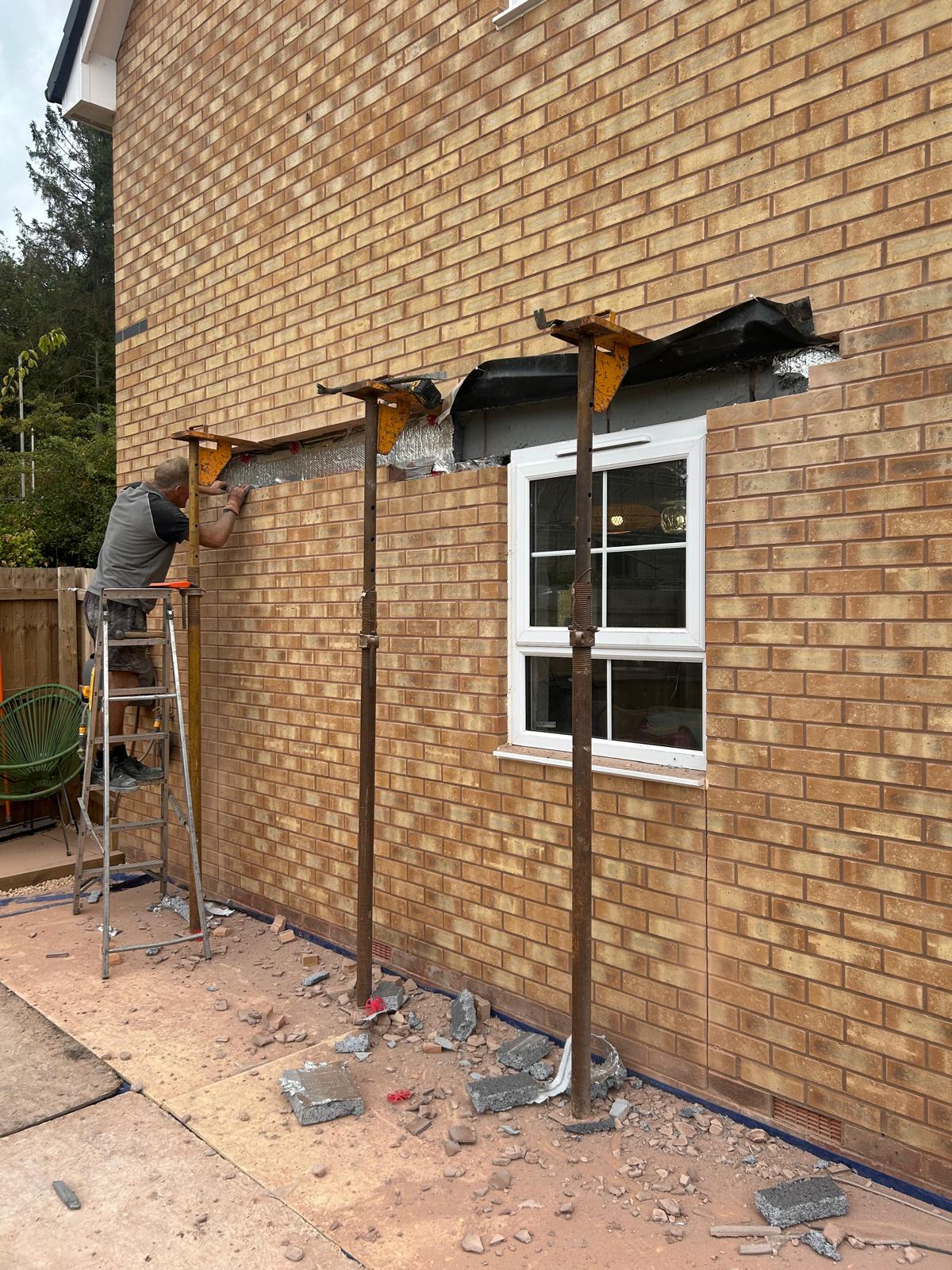
Installation-only costs (excluding the window unit) can range from £150 to £400+ per window, depending on complexity and regional wage differences. If your project includes additional work, such as removing brickwork, repairing plaster, or adjusting the window reveal, the price will rise accordingly.
How to choose a window fitter you can trust
Vetting and quotes
- Obtain at least three written quotations from different window fitters.
- Ensure each quote itemises components: window unit, frame, glazing, labour, disposal, and any preparatory work.
- Check for up-to-date trade qualifications and membership in professional bodies (e.g., FENSA, CertASSURE, orTrustMark in the UK).
- Ask about guarantees on installation workmanship and on the windows themselves.
Assessing quality and value
- Don’t choose on price alone. Consider workmanship, warranty terms, and the fitter’s responsiveness.
- Request references or recent case studies. If possible, inspect a completed install to assess finish quality.
- Inquire about acclimatisation and warranty for timber frames, as timber can move with humidity.
Practical tips for getting the best deal
- Plan for a site visit so the fitter can assess opening conditions and take accurate measurements.
- Confirm whether the price includes removal and disposal of the old window and any necessary plastering or render repairs.
- Discuss energy performance targets with the window fitter; ask about gas fills, U-values, and thermal efficiency.
- Check for potential discounts or bundled pricing if you’re replacing multiple windows at once.
- Ensure the quotation includes VAT and any potential surcharges for access or disposal.
What to expect during the installation day
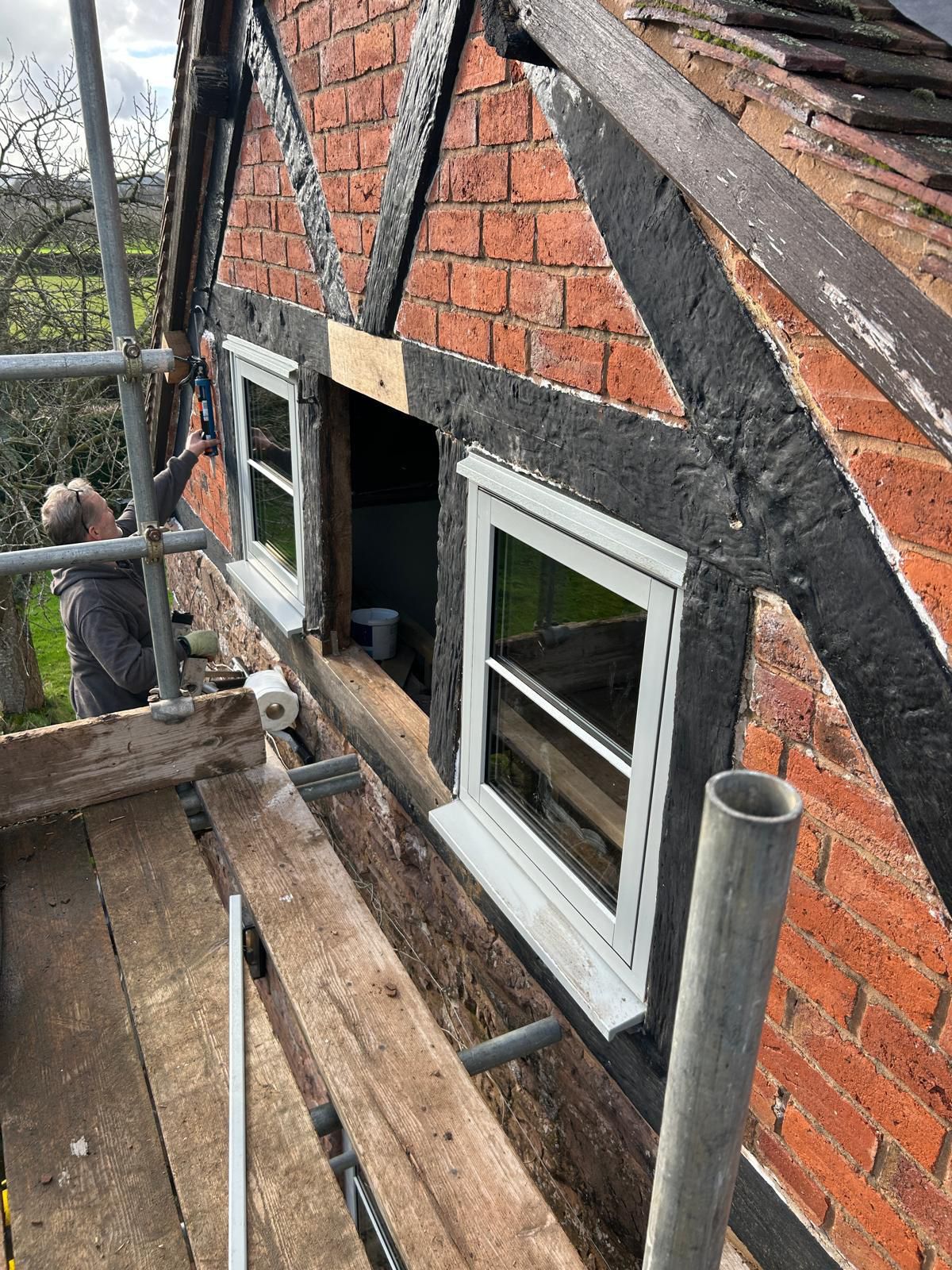
- The installer will remove the old window, check the opening for level and plumb, and fit the new frame.
- The new window is sealed with modern mastic or silicone sealant to prevent drafts and moisture ingress.
- The fitter should check for proper operation of the sash or opening mechanism and adjust as needed.
- Finishing work may include plastering, plaster patching, or repainting to blend with your room.
Frequently asked questions
- How long does window installation typically take? Most installations can be completed in a day or two, depending on the size and complexity, but large or complex jobs may take longer.
- Are there building regulations or planning permissions to consider? In the UK, most replacements within existing openings do not require planning permission, but you may need building regulations notification or approval for certain installations.
- How can I improve energy efficiency with my new windows? Choose double or triple glazing with a low U-value, ensure proper sealing, and opt for frames with good thermal performance.
Final thoughts
Investing in a new window is as much about comfort and efficiency as it is about aesthetics. By understanding the main cost factors, you can set a realistic budget and avoid unwelcome surprises. A qualified window fitter is essential to ensure that the installation is airtight, secure, and compliant with local regulations. When you compare quotes, look for clarity, warranty terms, and evidence of quality workmanship. With careful planning, you’ll enjoy better insulation, reduced energy bills, and improved curb appeal for years to come. A thoughtful choice today can pay dividends in comfort and savings tomorrow.