Is a Conservatory Cheaper Than an Extension?
When planning extra space for your home, one of the first questions homeowners ask is whether a conservatory is cheaper than a traditional extension. The short answer is: it depends on several factors, including design, materials, build regulations, and long-term use. In this post, we’ll explore the cost considerations, the roles of a conservatory installer, and how to make an informed choice that fits your budget and lifestyle.
Introduction: Understanding the Basics
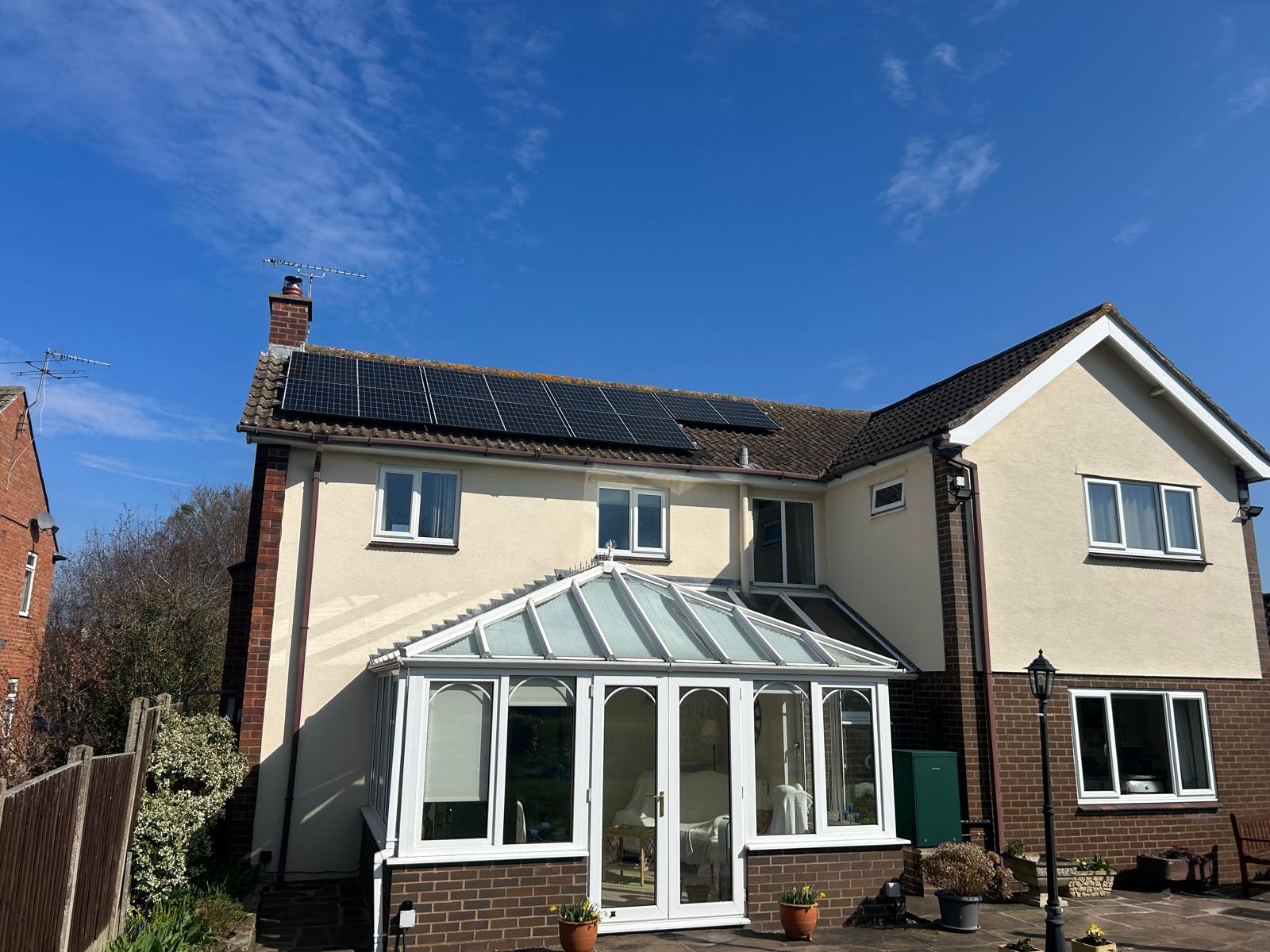
A conservatory and a home extension both add usable space, but they serve different purposes and come with different cost structures. A conservatory is typically a glass-enclosed structure attached to the house, often with a tempered glass roof and a solid base. An extension, on the other hand, is a new room built as part of the house’s core footprint and usually finished with insulated walls and a solid roof. The distinction matters not only for price but also for planning permissions, heating efficiency, and day-to-day usability.
Keywords to watch: conservatory installer, cost, budget, planning permissions, insulation, glazing.
Cost Drivers: What Impacts Price?
Several key factors determine whether a conservatory or an extension will be cheaper in practice.
- Size and footprint: Larger spaces cost more in both cases, but conservatories often scale more quickly due to glazing and roof requirements.
- Roof type: Glass or polycarbonate roofs are cheaper upfront but can affect heating costs and comfort. Solid roofs add to the price but improve insulation and year-round use.
- Insulation and heating: Extensions typically receive better insulation and integrated heating, making them cheaper to run over time.
- Foundations and structure: A robust foundation is essential for both, but extensions may require more substantial structural work if the existing walls need alteration.
- Glazing and finishes: Conservatories rely heavily on glazing, which can drive up cost, especially with high-performance units. Finishes such as plastering, flooring, and electrical work also add to the bill.
- Planning and building regulations: Some extensions may require planning permission, while many conservatories are permitted development in certain sizes and conditions. A conservatory installer can guide you through these rules to avoid costly delays.
- Site access and complexity: Limited access or tricky sloping sites increase labour time and costs for either option.
- Thermal performance: A properly insulated extension frequently offers better energy efficiency than a conservatory with a transparent roof and side panels, though this depends on design choices.
Longevity and Use: What’s Your Day-to-Day?
Beyond upfront costs, think about how you plan to use the space.
- Year-round usability: Conservatories are lovely for sunshine but can be chilly in winter and hot in summer without climate control. An extension is usually comfortable year-round with proper insulation and heating.
- Privacy and integration: Extensions tend to feel like a natural part of the house, offering more privacy and seamless integration with existing rooms.
- Resale value: Both options can add value, but extensions often provide a more straightforward return on investment due to better thermal performance and consistent use.
- Maintenance: Conservatories may require more maintenance for glazing and roof seals, while extensions with solid roofs may have lower ongoing maintenance.
The Role of a Conservatory Installer
A conservatory installer is not just a tradesperson; they are a design partner. They help you understand:
- Feasibility: Which option fits your property and budget, including any planning constraints.
- Design choices: Size, shape (lean-to, Victorian, Edwardian, or contemporary), glazing standards, and roof options.
- Budgeting: Transparent cost estimates, often with a breakdown for structure, glazing, foundations, and finishes.
- Project management: Coordination of foundations, carpentry, electrical work, plumbing (where needed), and plastering.
- Compliance: Ensuring installations meet building regulations, energy performance standards, and safety requirements.
If you’re considering a conservatory, consult a reputable conservatory installer who has experience with similar properties. They can also advise on whether a conservatory is the most cost-effective route for your intended use.
Practical Tips for Cost-Effective Decision-Making
- Compare quotes: Gather several quotes from different conservatory installers and extension specialists to understand the market.
- Define the purpose: Clarify how you will use the space (dining, living room, home office) to determine the best design and insulation level.
- Think long-term: Factor in running costs, heating, and potential maintenance when calculating total cost of ownership.
- Explore alternatives: Hybrid solutions, such as a-glazed extension or a snug room with large glazed doors, can offer a middle ground between a full extension and a conservatory.
- Maximise energy efficiency: Choose double or triple glazing with low-emissivity coatings, insulated floors, and efficient heating to reduce ongoing costs.
Planning and Building Regulations: What You Need to Know
Planning requirements vary by location. In the UK, many smaller conservatories fall under permitted development rights, but larger structures or those with alterations to the property may require planning permission or building regulation compliance. An experienced conservatory installer can help you navigate these rules, prepare plans, and liaise with the local authority to avoid delays.
Extensions may require more formal permissions and building regulation checks, particularly if the project changes the property’s footprint or affects structural integrity. Budget for potential planning fees and any professional consultations.
Final Thoughts
Choosing between a conservatory and an extension hinges on how you want to use the extra space and what you value most: speed and lower upfront costs, or year-round usability and seamless integration. A conservative upfront price tag for a conservatory can be appealing, but long-term running costs and comfort should factor into your decision. Engaging with a qualified conservatory installer early in the process helps you map out realistic costs, design options, and project timelines. With clear planning, you can achieve a space that feels like a natural part of your home without compromising on comfort or budget.